
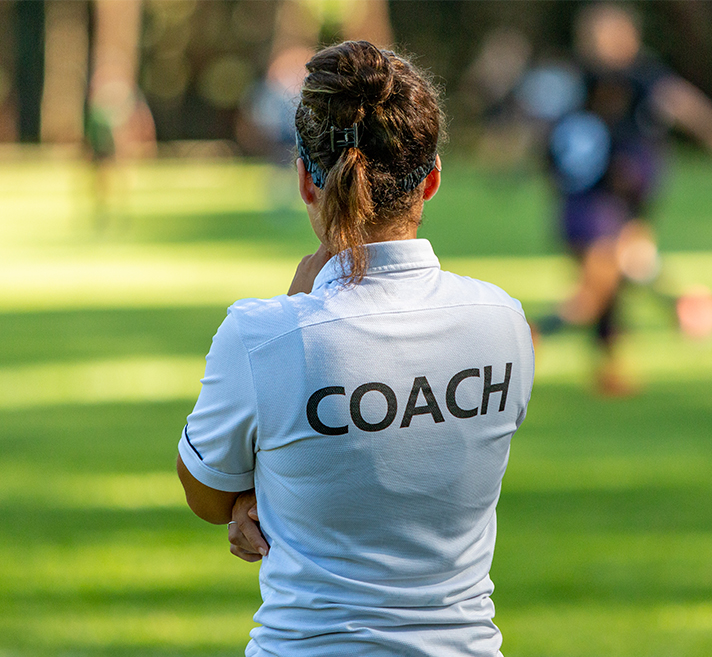
The way a coach responds to a missed pass, a frustrated player or a quiet teenager on the edge of the group can influence how that young person feels about sport.
Coaches help shape whether training feels welcoming, whether mistakes are safe to make and whether players feel comfortable asking for help.
For community coaches, these moments sit alongside the practical demands of planning sessions, selecting teams and preparing for games.
Understanding the young people involved makes those responsibilities easier to manage.
Youthsafe’s Coaching Teens resource helps coaches build the relationships and communication skills that support participation, safety and wellbeing.
Understand the person behind the performance
Teenagers bring different levels of confidence, experience and motivation to a team. They may also be managing study, changing friendships, family pressures or the demands of growing independence.
A player who seems distracted or withdrawn may be struggling with something the coach cannot see. A sudden change in attendance, effort or behaviour is a reason to ask a calm, open question before drawing conclusions.
Try asking, “How are you finding training at the moment?” or “Is there anything making it harder for you to take part?”. Give the player time to answer and listen without immediately trying to fix the problem. Follow your club’s safeguarding procedures when speaking with young people or responding to concerns.
Understanding a player’s circumstances helps a coach set realistic expectations and identify when support from a parent, club official or appropriate professional may be needed.
Build trust through everyday decisions
Players notice how adults handle selection, game time, discipline and mistakes. Explaining decisions clearly and applying expectations consistently helps them understand what is being asked of them.
Trust also grows when a coach notices effort and improvement. Specific feedback gives a player something useful to repeat: “You looked up before passing and found a teammate in space” says more than a general “Well done.”
The same care matters when correcting a player. Describe the action, explain its effect and offer one achievable next step. Avoid embarrassing a young person in front of teammates or treating a single mistake as a judgement about their character.
Keep communication clear when pressure rises
During a game, a long explanation may be difficult to absorb. Give short instructions, use a demonstration where helpful and check that the player understands before moving on.
Coaching Teens explores practical approaches such as telling, showing and then watching a player try a skill. It also introduces the Action, Impact, Recommendation approach to feedback, helping coaches explain what happened and what the player can do next.
Your tone and body language matter alongside the words. A steady response can help a frustrated player settle and return their attention to the task. After the immediate pressure has passed, there is more room for reflection and discussion.
Make enjoyment and belonging visible
Teenagers have different reasons for playing. Some want to improve their performance; others value friendships, fitness or time away from schoolwork. Asking what players enjoy can help coaches plan sessions that offer meaningful participation across the group.
Consider whether less confident players get opportunities to practise, contribute and receive encouragement. Notice who is being left out of conversations or activities. Establish clear expectations about respect for teammates, opponents and officials, and demonstrate those expectations yourself.
When someone begins to disengage, an early conversation may reveal a practical barrier or concern that can be addressed. It also shows that their presence matters.
Help players speak up about injury and wellbeing
Players should feel able to report pain, fatigue, distress or a head knock without fearing ridicule or loss of standing in the team. Coaches can reinforce this by listening, taking concerns seriously and following the sport’s safety procedures.
Suspected concussion requires removal from play and medical assessment. Coaches should follow the Australian Sports Commission’s concussion guidance and their sport’s current protocols, rather than making their own judgement that a player is ready to continue.
A supportive environment makes it easier for young people to ask for help. Coaches also need the backing of their club, including clear reporting pathways and access to appropriate advice.
Support for coaches and clubs
Youthsafe’s Coaching Teens focuses on the communication, mentoring and relationship skills involved in working with teenage players. It complements technical coaching development and is relevant across community sports.
The free online course allows coaches to work through the material at a convenient time. Clubs and associations can also enquire about a face-to-face workshop and discuss how to include the resource in coach induction or ongoing development.
Explore Coaching Teens to support the coaches who help young people feel safe, valued and involved in your club.